
































Welcome to Our Blog
Get the latest information on new products and solutions, trending industry topics, best practices, tips and tricks, and much more.
Automotive
1429
/en/blog/automotive
Barcode Inspection
418
/en/blog/barcode-inspection
Cannabis
1430
/en/blog/cannabis
Company News
415
/en/taxonomy/term/415
Cybersecurity
1464
/en/blog/cybersecurity
Events and Tradeshows
1421
/en/blog/events-and-tradeshows
Food & Beverage
1426
/en/blog/food-beverage
Healthcare
1425
/en/blog/healthcare
High Resolution
414
/en/blog/high-resolution
Industry Trends
1419
/en/blog/industry-trends
Manufacturing
1424
/en/blog/manufacturing
Mobile Printing
1420
/en/blog/mobile-printing
Partner Perspectives
1461
/en/blog/partner-perspectives
Remote Printer Management
1432
/en/blog/remote-printer-management
Retail
1423
/en/blog/retail
RFID
416
/en/blog/rfid
Software Solutions
1433
/en/blog/software-solutions
Standalone
419
/en/blog/standalone
Supplies
417
/en/taxonomy/term/417
Supply Chain
1463
/en/blog/supply-chain
Tips & Best Practices
1431
/en/blog/tips-best-practices
Transportation & Logistics
1422
/en/blog/transportation-logistics
Warehouse & Fulfillment
1427
/en/blog/warehouse-fulfillment
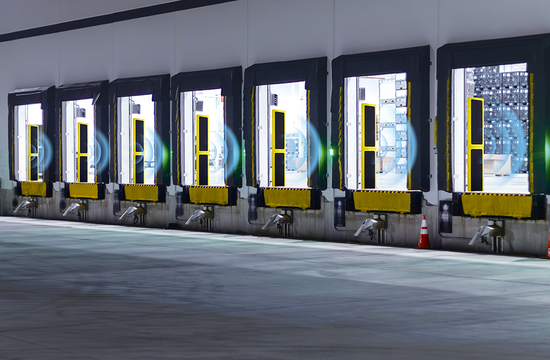
Distribution centers and 3PL operations run on a simple promise: what arrives at the dock door matches what was expected, and what leaves matches what the customer ordered. In practice, that promise breaks down more often than operators would like — and the cost shows up in chargebacks, inventory write-offs, and dock teams stretched thin just to keep pace.
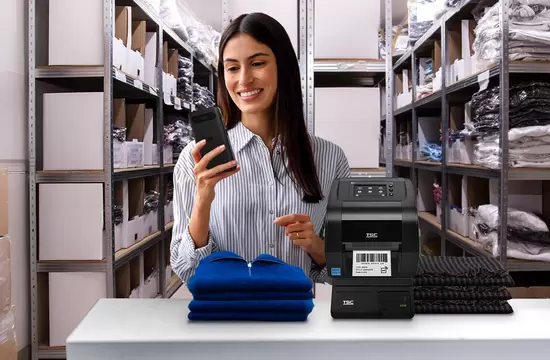
Inventory accuracy has always been important in retail. However, as omnichannel operations continue to evolve, knowing how much inventory is available is no longer enough. Retailers need timely and reliable visibility into where products are located, how they are moving, and whether inventory records accurately reflect actual stock.
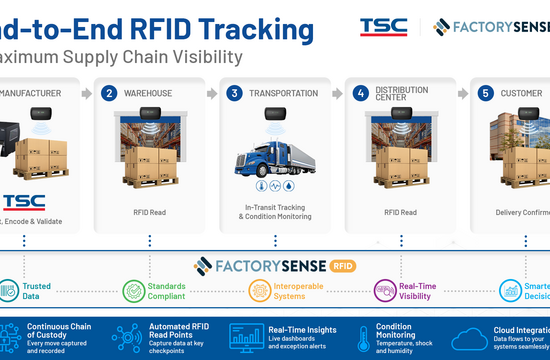
This article explains how accurate tag verification, standards compliance, interoperable systems, and continuous chain of custody work together to create full supply chain visibility. It describes why cooperation among partners matters, how real time tracking answers critical operational questions, and how Factory Sense and TSC Auto ID Printers support organizations in building trusted end to end RFID programs.
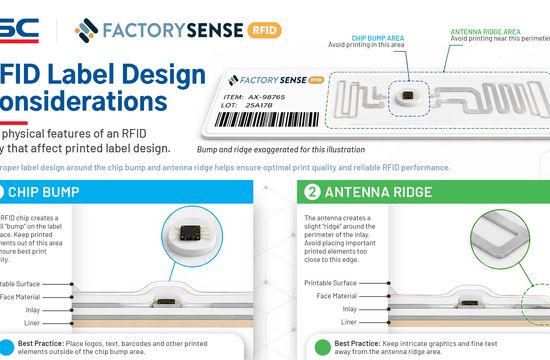
Printing and encoding RFID tags (labels with RFID inlays inserted below the label surface) can seem intimidating, given all the standards and approaches involved and the history of independent and closed systems. However, if you follow current standards as you design and print labels, and particularly if you use the most current versions of popular RFID-enabled label design and management software, you can succeed well.
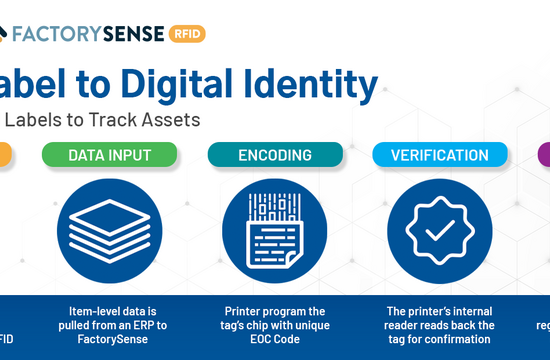
In the connected factory, every item from raw material to finished product carries a story. That story is told through data, and at the heart of that data is RFID encoding. When done correctly, RFID enables precise, automated visibility across the plant floor. When done poorly, it can disrupt production, create traceability gaps, and undermine digital transformation efforts.
The label is as important as the printer. TSC Genuine Supplies provides optimized RFID label media — matched inlay configurations, tested adhesives, and the right face stock for your application. Using off-spec media with RFID printers degrades encoding reliability and read range.
The way the world identifies, tracks, and authenticates products is being rebuilt. Two forces are converging at once: the global retail and healthcare transition to 2D barcodes under GS1’s Sunrise 2027 initiative, and the accelerating shift to RAIN (UHF) RFID for item-level visibility.
Did you know that many industries, including retail, healthcare, logistics, and manufacturing, are increasingly adopting RFID technology? The driving force behind this is their desire to streamline operations with automated data collection and real-time visibility.

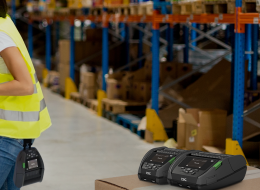
Typical desktop printers are stationary and require a fixed power connection to function. But what if you need immediate printing without being tied to one location? Or what if the designated printing station is too far from the action?
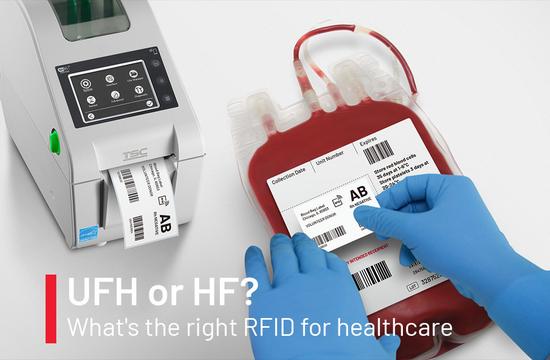
In modern medicine, blood transfusions are a vital procedure that saves countless lives every day. But the misidentification of patients or blood bags due to human error can turn a life-saving procedure into a fatal mistake. Consequently, many healthcare providers today are seeking to further enhance patient safety by adopting RFID wristbands and blood bag labels.